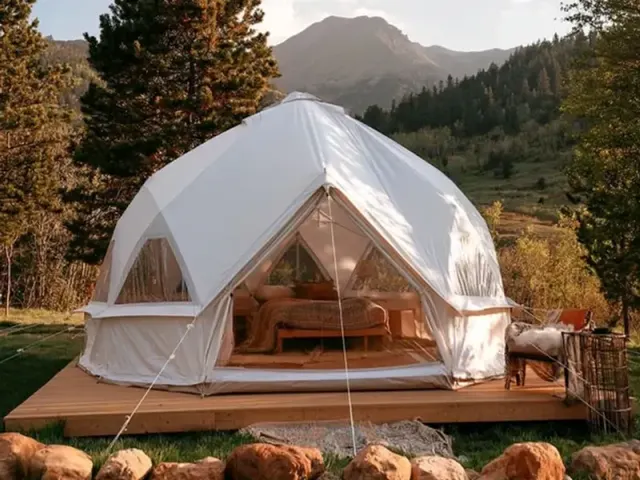
Full-Time Tent Living: 7 Essential Setup Tips That Actually Work
The first night in a tent that you plan to call home feels different than a weekend trip. The rain sounds closer. The ground feels harder. And that little bit of condensation on the fly? It matters now in a way it never did before.

Full-time tent living isn't just camping longer. It's a shift in how you think about shelter. After months of refining my own setup, I've found that a few deliberate techniques make the difference between a space that drains you and one that sustains you.
Choose Your Floor Wisely
The tent floor takes the most abuse. A standard nylon floor will wear thin fast with daily foot traffic, gear shuffling, and the constant pressure of a sleeping pad. I use a two-layer floor system. First, a heavy-duty ground cloth cut to fit exactly under the tent—not sticking out, because any overhang collects rain and channels it under your floor. Second, I add a cheap indoor-outdoor carpet inside the tent. It protects the floor, adds insulation, and makes the space feel more like a room. The carpet can be rolled up and shaken out weekly.
The Common Mistake
Don't use a tarp that extends beyond your tent footprint. Water will run down the tarp and pool under your tent, then wick up through the floor. I've seen it happen. Cut your ground cloth to match the tent shape exactly.
Master the Moisture Sandwich
Condensation is the silent enemy of full-time tent living. Your breath, cooking, and even your body release moisture that collects on the tent walls. Here's a trick I haven't seen elsewhere: create a moisture sandwich. Place a thin, absorbent cotton sheet between your sleeping pad and your sleeping bag. The sheet wicks sweat away from your body and keeps your bag drier. Then, hang a small, mesh laundry bag from the tent peak to hold a silica gel pack or two. Replace them monthly. It sounds small, but it cuts down the damp feeling dramatically.
Ventilation Is Non-Negotiable
You need airflow at all times. Even in cold weather, crack the rainfly at the top and bottom. I use a small bungee cord to hold the fly off the tent body by about six inches on each side. This creates a chimney effect: warm, moist air rises and exits through the top, while cool air enters at the bottom. In summer, I remove the fly entirely and use a mesh inner tent only. A battery-powered fan clipped to the tent ridge moves air and keeps mosquitoes at bay.
Create a Daily Reset Routine
A tent can feel claustrophobic fast if clutter builds. Every morning, I air out the sleeping bag by draping it over a line strung between two trees. I sweep the floor with a small hand broom and dustpan. I repack anything I won't use until evening. This five-minute routine keeps the space livable and prevents the slow creep of chaos.
Manage Your Kitchen Outside
Never cook inside your tent. The smell attracts animals, and the moisture and grease coat the fabric. Set up a small camp kitchen under a tarp or tree canopy within arm's reach of your tent door. Use a folding table or a sturdy plastic bin turned upside down. Store all food in a bear-proof container or hang it in a bag at least 100 feet from your sleeping area. This is both a safety rule and a comfort rule—your tent stays cleaner and smells neutral.
Adapt to the Seasons
Full-time tent living means you'll face all weather. In wind, use shorter stakes (six-inch or eight-inch) at a 45-degree angle, and add a windbreak with a tarp tied to trees on the windward side. In rain, dig a small trench around your tent to divert water—but check local regulations first, as some areas prohibit digging. In heat, pitch your tent in the shade of a grove of trees, but leave a gap for airflow. In cold, add a foam pad under your sleeping pad and use a four-season tent rated for snow loads.
Safety First, Always
Never use a propane heater or camp stove inside your tent. Carbon monoxide is odorless and deadly. If you need heat, use a hot water bottle in your sleeping bag. Always fully extinguish campfires before sleeping. Store food and scented items in animal-proof containers. Check local weather and fire danger ratings daily. Your tent is your home—treat it with the same caution you would any permanent shelter.
The Takeaway
Full-time tent living is about small, intentional choices. A well-pitched tent with proper flooring, moisture control, and ventilation becomes a sanctuary instead of a struggle. The techniques above have kept me dry, comfortable, and sane through seasons of change. They'll do the same for you.
Frequently Asked Questions
How do I keep my tent dry during full-time living?
Moisture is the biggest challenge. Use a ground cloth that extends just under the tent floor, not beyond it. Then add a second layer: a tarp inside the tent under your sleeping area to catch any condensation. Also, create a 6-inch gap between the rainfly and tent body for airflow. This double-layer approach prevents water from wicking up and keeps your gear dry.
What's the best way to organize a tent for long-term living?
Create zones: sleep, storage, and living. Use collapsible bins for clothes and gear, and hang a mesh organiser for small items. Keep your sleeping area separate from your cooking area to avoid food smells attracting animals. A simple camp table outside your tent door works as a kitchen counter.
How do I handle temperature changes when living in a tent full time?
Focus on ventilation and insulation. In hot weather, open the rainfly fully and use a battery-powered fan. In cold weather, add a reflective insulation layer under your sleeping pad and use a four-season tent with a vestibule to block wind. Always check local weather and adjust your setup accordingly.