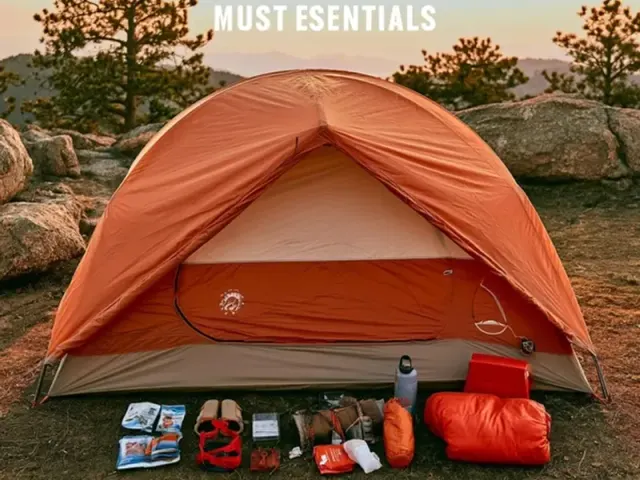
Family Tent Camping Aesthetic: Cozy Setup Tips That Work
The first time I zipped open my tent door and saw the glow from inside, I knew I had found something. It wasn't just a place to sleep—it was a small, warm room in the middle of the woods. My kids were already curled up on their sleeping pads, reading by the soft light of a lantern. That moment taught me that a tent camping aesthetic for a family isn't about fancy furniture. It's about creating a space that feels safe, calm, and inviting—even when the weather turns.

Start with the Layout: Zones for Sleeping, Storage, and Living
Before you add a single string light, think about how your family moves through the tent. I always lay out the footprint first. For a family of four, a 6-person dome tent gives enough room for three zones: a sleeping area on one side, a storage corner near the door, and a small living space in the middle. Use the tent's center seam as a natural divider. Place sleeping pads and bags along the back wall, away from the door. Keep a clear path to the entrance—no gear piles to trip over at 2 a.m.
I use lightweight mesh bags for each person's clothes and hang them from the tent loops. This keeps clothes off the floor and easy to find. A small, collapsible table in the center holds a lantern and a water bottle. That's it. The less stuff on the ground, the more the tent breathes.
Lighting Sets the Mood (and Keeps Everyone Safe)
Lighting is where the aesthetic really comes alive. I string battery-operated LED fairy lights along the tent poles. Warm white bulbs only—cool white feels like a hospital. I clip a dimmable rechargeable lantern to the ceiling loop at the center. This gives a soft, even glow that won't blind anyone when they wake up at night. Avoid any light that's too bright or has a blue tint. It disrupts sleep and kills the coziness.
For safety, never use candles or fuel-based lanterns inside a tent. They pose a fire risk and produce carbon monoxide. Stick to LED or battery-powered options. I also place a small red-light headlamp near the door for nighttime bathroom trips—red light preserves night vision and doesn't wake others.
Bedding That Balances Comfort and Practicality
A tent camping aesthetic starts with what you sleep on. I use thick, self-inflating sleeping pads with an R-value of at least 4.5 for cold nights. On top, I layer a fleece blanket and a cotton quilt. The cotton adds a homey feel and breathes better than synthetic. For pillows, I bring real pillowcases from home—they're lightweight and make the space feel familiar.
Color matters too. I stick to earthy tones: olive green, rust, cream, and tan. These blend with the outdoors and hide dirt better than bright colors. Avoid white bedding unless you want to see every pine needle. A single patterned throw pillow adds a pop without overwhelming the space.
Common Mistake to Avoid: Over-Bedding
I once brought too many blankets. They took up space, got damp, and made the tent feel cramped. Stick to one layer per person plus one extra for cool nights. If you're camping in warm weather, skip the fleece and use a cotton sheet instead.
Rugs and Flooring: The Foundation of Cozy
A rug changes everything. I use a thin, low-pile camping rug or a foam interlocking mat. It defines the living area, adds insulation from the cold ground, and catches dirt from shoes. Place it just inside the door, extending to the center of the tent. This creates a visual boundary between the 'dirty' entry and the 'clean' sleeping zone.
Choose a rug that's easy to shake out and dries fast. Avoid shag or thick wool—they trap moisture and are a pain to clean. I roll mine up and store it in a mesh bag when not in use.
Organizing Gear: A Place for Everything
Clutter is the enemy of aesthetic. I use clear plastic bins for kitchen gear and dry food, stored outside under a tarp. Inside the tent, each family member gets a mesh bag for clothes and a small pouch for toiletries. A hanging organizer on a tent loop holds headlamps, sunscreen, and bug spray. I keep a 'drop zone' mat by the door for shoes. This system means no one is digging through a duffel bag at midnight.
For kids, I use color-coded bags: red for one, blue for the other. They learn quickly where their stuff goes. This also makes packing up faster—just grab the bags and go.
Weather and Terrain Adaptations
Rain changes everything. If the forecast calls for storms, I pitch the tent on high ground and dig a small trench around the perimeter to divert water. I use a groundsheet that extends just under the tent—not beyond—to prevent water pooling. Inside, I keep all gear off the floor in bins or on a low shelf. A damp tent is not cozy.
In wind, I stake every corner and guylines taut. I also orient the tent's narrow end into the wind. This reduces flapping and keeps the interior calm. For heat, I open all vents and use a battery-operated fan clipped to the ceiling. The fan also helps circulate air and reduce condensation.
Safety Notes for a Cozy Family Tent
Carbon monoxide is silent and deadly. Never use a camp stove, heater, or charcoal grill inside the tent, even for a few minutes. Keep all food in sealed containers outside the tent to avoid attracting wildlife. Check local regulations about bear-proof storage. Always fully extinguish your campfire before sleeping—pour water, stir, and pour again until the hissing stops.
A Final Takeaway
The best tent camping aesthetic for a family is one that works for your actual trip. It's not about perfection. It's about arriving at a campsite, setting up a space that feels like a small, safe home, and then spending your time outside. The aesthetic follows naturally when you prioritize comfort, organization, and warmth. So choose your lighting, layer your bedding, and let the forest do the rest.
Frequently Asked Questions
How do I make my family tent look cozy and aesthetic?
Start with soft, warm lighting like battery-operated fairy lights or a dimmable lantern. Add layers with fleece blankets and pillows in neutral or earthy tones. Use a simple rug or foam mat to define the sleeping area. Keep gear organized in clear bins or mesh bags so clutter doesn't break the mood.
What are the best lighting options for a family tent aesthetic?
Battery-operated LED string lights with warm white bulbs are safest and most versatile. Clip them to the tent poles or ceiling loops. A dimmable rechargeable lantern placed on a low table gives ambient glow. Avoid candles or open flames inside the tent—they're a fire risk and produce carbon monoxide.
How can I keep the tent organized with kids?
Use color-coded mesh bags or packing cubes for each family member's clothes. Designate a 'drop zone' near the door for shoes and muddy gear. Hang a small organizer on a tent loop for headlamps, wipes, and snacks. Keep all food in a sealed cooler or bear-proof container outside the tent.
What fabrics and colors work best for a tent camping aesthetic?
Natural fibers like cotton or wool blend for blankets and pillows breathe well and feel cozy. Earth tones—olive, tan, rust, cream—blend with the outdoors and hide dirt better than whites. Avoid synthetic fleece that can get stuffy; instead, use a cotton quilt or a packable wool throw.
Is it safe to use a rug inside a tent?
Yes, as long as it's a low-pile, non-slip mat or a thin camping rug. A rug helps define space, adds warmth, and reduces dust. Avoid thick shag rugs that trap moisture and are hard to clean. Choose a rug that's easy to shake out and dries quickly.