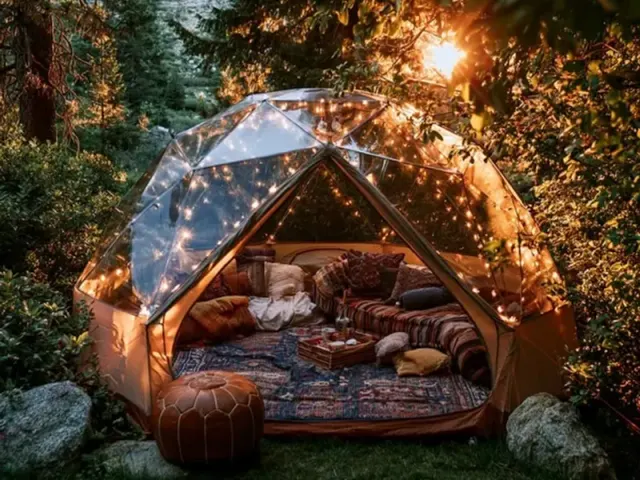
Cozy Tent Camping Aesthetic: Inside Your Tent Makeover
The first time I zipped myself into a tent that felt more like a tiny living room than a nylon cocoon, I understood why the tent camping aesthetic inside matters. It's not about impressing anyone. It's about stepping into a space that feels restful, intentional, and yours—after a day of hiking, cooking over a camp stove, and breathing fresh air.

Here's the trick: a beautiful tent interior is mostly about light, texture, and keeping clutter at bay. You don't need expensive gear. You need a few deliberate choices and the right technique.
Start with Soft, Warm Lighting
Light is the fastest way to transform a tent from a functional shelter into a cozy retreat. I use battery-operated LED string lights with a warm white tone—around 2700K to 3000K. That warm amber glow mimics candlelight without the fire risk. I string them along the tent's ridgeline using small adhesive hooks or lightweight carabiners. Avoid cool white or blue-toned lights; they feel clinical and harsh.
For a secondary light source, I bring a dimmable lantern with a fabric shade. Placing it on a low, flat surface—like a small folding table or even a sturdy cooler—diffuses the light upward and softens shadows. Never use a propane lantern or candles inside a tent. Carbon monoxide poisoning is a real danger, and tents are not ventilated enough for open flames.
Common mistake: hanging lights too low. Keep them at least six inches from the tent walls and ceiling to prevent heat buildup (even LEDs can get warm) and to avoid snagging when you move around.
Layer Textures for Warmth and Visual Depth
A plain tent floor feels cold and echoey. I lay down a lightweight, washable rug or a thick fleece blanket over the tent footprint. This adds insulation and softens the space. On top of that, I use a sleeping pad with a quilted cover or a flannel sheet. The layering traps warmth and creates visual interest.
For bedding, I skip the mummy bag's stuff sack and use it as a duvet inside a cotton sleeping bag liner. The liner adds a homey feel and is easier to wash. A single throw pillow—stuffed with clothes during the day—adds a pop of color and a place to lean against while reading.
Adapt for cold weather: add a closed-cell foam pad under your sleeping pad for extra insulation. In hot weather, swap the fleece for a cotton sheet and use a mesh bag for the rug to keep it breathable.
Organize Everything Off the Floor
Clutter kills the cozy vibe. I use a gear loft or a simple bungee cord system strung across the tent ceiling to hang lightweight items like headlamps, a book, or a water bottle. On the walls, I attach mesh pockets—the kind sold for shoe storage—to hold small items: phone, glasses, snacks, a multi-tool. This keeps the floor clear for moving around and prevents you from sitting on your gear.
For clothes, I use compression cubes inside a duffel bag. One cube for clean clothes, one for dirty. The duffel lives near the tent door, not in the sleeping area. A small collapsible bin (the fabric kind that folds flat) works as a laundry hamper or a catch-all for loose items.
Safety note: keep all food, toiletries, and scented items in a bear-proof container or hung from a bear bag at least 100 feet from your tent. Even if you're not in bear country, raccoons and rodents will chew through tent fabric for a crumb.
Choose a Cohesive Color Palette
You don't need to redecorate, but choosing a consistent color scheme helps. I stick to earthy tones: olive green, tan, rust, and off-white. These colors hide dirt well and feel natural in a forest setting. A bright pop of color—like a mustard yellow pillow or a teal mug—adds personality without overwhelming the space.
Tip: bring a small fabric tote or a basket to corral loose items like books, a journal, or a deck of cards. It keeps the tent looking intentional, not messy.
Add a Personal Touch Without Clutter
A single small plant (a faux succulent, not a real one—no dirt inside the tent) or a postcard taped to the tent wall can make the space feel like yours. I hang a lightweight fabric banner or a bandana from the ridgeline for color. Keep it minimal: one or two items max. The goal is a sense of calm, not a souvenir shop.
Takeaway
The tent camping aesthetic inside isn't about perfection. It's about creating a space that feels good to come back to after a day outside. Start with warm lighting, layer soft textures, and keep the floor clear. Your tent will feel less like a shelter and more like a tiny home—one that packs down into a duffel bag when the trip is over.
Frequently Asked Questions
How can I make my tent look cozy and aesthetic?
Start with warm lighting—use battery-operated string lights or a soft lantern placed on a low table. Layer soft textiles like a fleece blanket and a sleeping pad cover. Keep clutter minimal with mesh storage pockets and collapsible bins. Choose a neutral or earthy color palette for bedding and rugs.
What kind of lighting works best for a tent interior?
Battery-operated LED string lights with a warm white tone (2700K-3000K) create a soft glow without heat risk. A dimmable lantern with a fabric shade diffuses light nicely. Avoid candles or propane lanterns inside the tent due to fire and carbon monoxide hazards.
How do I keep my tent organized for a clean look?
Use hanging mesh pockets on the tent walls for small items like headlamps and snacks. Store clothes in compression cubes inside a duffel. Keep a small collapsible bin for dirty laundry. Use a gear loft or a simple bungee cord system to hang items off the floor.