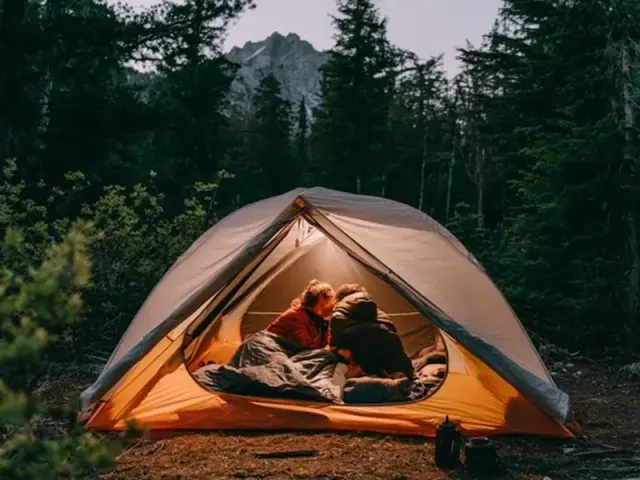
Cozy Tent Camping Aesthetic for Couples: Night Setup Tips
The first time I zipped us into the tent after dark, I realized something. The aesthetic wasn't about buying expensive gear. It was about how the light fell, how the layers felt, and how the space worked for two people without feeling cramped.

Here is exactly how to create a tent camping aesthetic night for a couple—using technique, not stuff. These are methods I've refined over many nights in different weather and terrain.
Start with the Right Light Temperature and Placement
Light is everything at night. But not all light works. Cool white LED bulbs (5000K+) make the tent feel like a hospital bay. You want warm light—2700K to 3000K—the color of a candle flame without the fire risk.
My go-to setup: A string of 20 warm fairy lights draped along the ridge pole, secured with small binder clips to the fabric loops. I run the battery pack into a mesh pocket near the door so it's out of the way. Then I place one dimmable lantern on a small collapsible table at the foot of the sleeping area, set to low (around 10 lumens). That's it. Two light sources, both soft, both creating shadows that feel intimate rather than harsh.
Common mistake: Hanging a single bright lantern from the center of the ceiling. This casts shadows downward, making faces look gaunt and the space feel like an interrogation room. Instead, place lights at the perimeter or at sleeping level.
Adapt for wind: If it's breezy, skip the fairy lights on the ridge—they can sway and tangle. Use a lantern on the floor in a corner, covered with a translucent fabric (like a buff or thin scarf) to diffuse the light. Secure the lantern with a carabiner to a tent loop so it doesn't tip.
Layer the Sleeping Area for Texture and Warmth
The aesthetic comes from the nest you build together. Start with a ground layer: a thick closed-cell foam pad (R-value 2.0 minimum) under either a double-wide inflatable pad or two single pads clipped together. The key is eliminating the gap between pads—use a pad coupler or tuck the edges under each other.
On top, use a fitted sheet designed for camping pads (or a flat sheet tucked tightly). Then add a fleece blanket as a middle layer, followed by a quilt or two-person sleeping bag. The top layer should be a packable down or synthetic throw that you can pull up over both of you.
The technique that makes the difference: Fold the top blanket in half lengthwise and lay it across the foot of the sleeping area. This creates a weighted feel at the bottom that keeps the quilt from shifting, and it doubles as a foot warmer. Tuck the sides under the pads to seal out drafts.
Why this works: Multiple thin layers trap air better than one thick bag, and they let each person regulate their own temperature. If one of you runs hot, you can push off the top throw while the other stays covered.
Rain or condensation: Never let a blanket touch the tent wall. Moisture wicks through the fabric and soaks the bedding. Pull the bedding toward the center by at least 4 inches from the walls. Use a small clothesline across the tent ceiling to drape damp items—never lay them on the sleeping area.
Create a Clear Zone for Gear
Nothing kills the mood faster than stepping on a headlamp or tripping over a boot in the dark. Designate a gear corner before you crawl in. I use a small waterproof stuff sack for shoes (placed just inside the vestibule) and a mesh organizer hanging from a tent loop for phones, glasses, and headlamps.
Sequence: Pitch the tent with the door facing away from the prevailing wind. Unpack only what you need for the night. Store everything else in the car or a bear-proof container at least 100 feet from the tent. Inside, keep the floor clear except for the sleeping area and one small table or flat rock for the lantern and water bottles.
Safety note: Never store food, scented items, or trash inside the tent. Even sealed wrappers can attract wildlife. Use a bear canister or hang a food bag properly—check local regulations for the correct method in your area.
Add Small Touches That Serve a Purpose
The aesthetic is not about decor. It's about intentional choices. A single pine branch placed in a cup on the table adds scent and a visual anchor—but only if you're in a pine forest and it's already on the ground. Never cut live branches.
A small battery-operated candle (LED, never real flame) placed near the door gives a soft glow and helps you find the zipper pull at night. I tape a small piece of reflective tape to the zipper pull so it catches the light.
For cold nights: Fill a Nalgene bottle with hot water (not boiling—just off the boil) and wrap it in a sock. Place it at the foot of the sleeping bag 10 minutes before you get in. It warms the space without a heater. Never put a hot bottle directly against skin or inside a sleeping bag without a cover—burn risk is real.
Manage Ventilation Without Losing Warmth
A stuffy tent ruins the experience. Crack the top vent (if your tent has one) or unzip the top 4 inches of the door and secure it with a toggle. This creates airflow across the ceiling, pulling out exhaled moisture while keeping drafts off your face.
The sign you need more venting: If you wake up with damp sleeping bag fabric near your mouth or the tent walls feel wet, open the vent another 2 inches. Condensation inside a tent is normal, but too much will soak your gear and make the night miserable.
Takeaway
The best tent camping aesthetic night for a couple comes from deliberate choices about light, layers, and layout. Warm fairy lights at the ridge, a dim lantern on low, layered bedding that seals out drafts, and a clear gear zone. No clutter, no harsh glare, no cold spots. Just a small, warm pocket of light and comfort for two people in the dark.
Frequently Asked Questions
How do I make a tent feel romantic at night?
Focus on soft, warm lighting—use battery-operated fairy lights or dimmable lanterns placed at eye level. Layer textiles like fleece blankets and a thick sleeping pad to create a nest-like feel. Keep gear organized in a corner so the sleeping area stays open and inviting.
What is the best lighting for a tent camping aesthetic at night?
Warm white (2700K-3000K) battery-operated fairy lights on the tent ridge pole or ceiling give a cozy glow without glare. Use a dimmable LED lantern on low, placed on a small camp table or inside a mesh pocket. Avoid cool white or blue-toned lights—they feel harsh and kill the mood.
How do I keep the tent warm for a couple at night without a heater?
Layer a closed-cell foam pad under an insulated air pad (R-value 4.5+ for cold nights). Use a two-person mummy bag or pair two rectangular bags with a blanket on top. Wear merino base layers and a hat. Always ventilate the tent slightly to reduce condensation.
What should I avoid when setting up a romantic tent?
Avoid overhead bright white lanterns that cast harsh shadows. Don't place a camp stove or candle inside the tent—carbon monoxide and fire risk are real. Keep the tent floor clear of loose gear to prevent tripping in the dark. And never pitch directly under a dead branch or widowmaker.