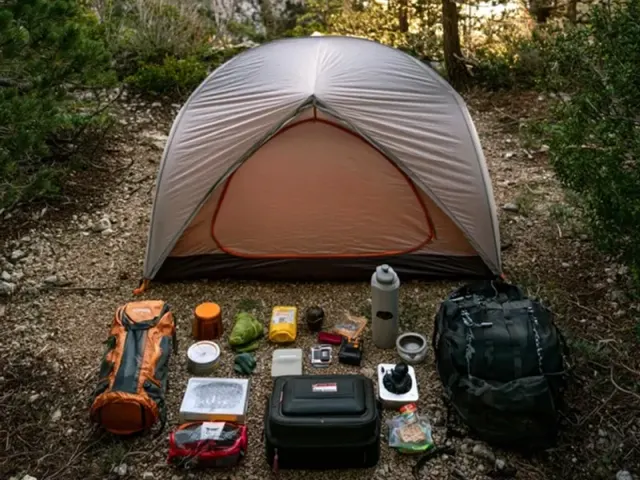
Camping Tent Essentials: What to Pack for a Solid Night's Sleep
There's that moment when you crawl into your tent after a long day of hiking, and the zipper closes behind you. The air smells like nylon and pine. You stretch out on your pad, and everything feels right. But that feeling only lasts if you've packed the right things — and set them up the right way.

I've spent enough nights on hard ground and in saggy tents to know that the difference between a restorative sleep and a miserable one comes down to a handful of specific items and techniques. Here's what I consider the true tent camping essentials, and more importantly, how to use them so they actually work.
The Ground Layer: Your Foundation
Your tent floor takes a beating from rocks, roots, and moisture. A footprint is non-negotiable — but size matters. Cut your footprint about 2 inches smaller than the tent floor on all sides. If it sticks out, rain will pool between the footprint and the tent floor, creating a bathtub effect that soaks everything inside.
No footprint? A thick painter's tarp folded to size works. Just fold the edges under so they don't extend past the tent.
Inside, your sleeping pad is the real foundation. An uninsulated air mattress will suck the warmth right out of you because the air inside cools to ground temperature. Instead, use a closed-cell foam pad for insulation under an inflatable pad, or get an insulated inflatable pad with an R-value of at least 4.5 for three-season camping. For winter, aim for R-value 5 or higher.
One trick I swear by: inflate your pad to about 80% firmness when you first set up. The air cools as the night goes on and the pad will feel firmer. If you inflate it to max right away, it'll feel like a rock by 2 a.m.
Stakes and Guylines: The Wind and Rain Insurance
Most tents come with basic stakes. Upgrade them. The flimsy L-shaped wire stakes bend on the first rock and pull out in soft soil. Replace them with 6-inch aluminum Y-stakes or groundhogs. They hold in sand, loam, and even moderately rocky ground.
Here's the technique: drive each stake at a 45-degree angle, with the hook or notch facing away from the tent. This gives the most holding power. Push them in until the hook is flush with the ground — not sticking up where someone can trip on it.
And use those guylines. I know, they seem optional. But in a sudden windstorm, they keep the fly off the tent body and prevent flapping that can tear the fabric. Tie a simple taut-line hitch on each guyline so you can adjust tension without retying. Practice the knot at home; it's worth the five minutes.
Ventilation: The Silent Essential
Condensation is the enemy. Your breath, cooking steam, and even your body release moisture. If you seal the tent completely, that moisture condenses on the fly and drips back on you. The fix is ventilation.
Even in rain, keep the fly's vents open. Most tents have a small awning or vent at the top of the fly. Prop it open with a small stick or use the built-in strut. This creates a chimney effect: warm, moist air rises and exits, while cooler air comes in through the lower mesh. You'll stay dry and breathe easier.
If you're camping in hot weather, pitch the tent with the fly off and just the mesh body up. You'll get airflow and keep bugs out. In cold weather, keep the fly on but leave the vents cracked — you'll be warmer than you think, and much drier.
Organization: Keep It Off the Ground
A tent that looks like a gear explosion is a tent where you'll lose your headlamp, sit on your glasses, and wake up with a water bottle in your spine. Use a small gear caddy or mesh organizer that hangs from the tent's ceiling or loops over a pole. Store your headlamp, phone, glasses, earplugs, and a small water bottle in it. This keeps essentials off the floor and within reach.
For everything else, use a stuff sack or small duffel as a pillow at the foot of your sleeping bag. I keep my clothes for the next day in a dry bag and tuck it beside my pad. That way I'm not fumbling around in the dark.
The Repair Kit Nobody Thinks About
A broken pole or a torn mesh can end a trip. Carry a small tent repair kit: a 4-inch section of a plastic tent pole sleeve (or a tent pole splint), a small tube of seam sealer, a needle and heavy thread, a patch of tent fabric, and a few extra stakes. Wrap it all in a small stuff sack and keep it in the tent's pocket.
If a pole snaps, slide the splint over the break and tape it with electrical tape (wrap that around the splint before you pack it). It won't be pretty, but it'll hold for the rest of the trip.
Safety Notes Worth Repeating
Never cook inside your tent. Carbon monoxide from a camp stove or lantern is invisible and deadly. Cook outside, at least 10 feet from the tent, and store food in a bear canister or hang it away from camp.
If a storm rolls in, make sure all guylines are taut and the tent is fully staked. A tent that isn't secured can collapse or blow away. And always check local fire restrictions before using any flame.
The Takeaway
The best tent camping setup is the one you don't think about at 3 a.m. — because the ground is comfortable, the tent is dry, and the wind is just a sound outside. Pack these essentials, set them up with care, and you'll wake up rested and ready for the trail.
Frequently Asked Questions
Do I really need a footprint for my tent?
Yes, if you want your tent floor to last. A footprint protects against sharp rocks, roots, and moisture. Cut it slightly smaller than the tent floor so it doesn't collect rainwater underneath. If you don't have one, a heavy-duty plastic painter's tarp folded to size works in a pinch.
How many tent stakes should I bring?
At least 10. Most tents come with 6-8, but you need extra for guylines. In windy or rainy conditions, stake out all loops and guylines — that means 10-12 stakes total. I always pack a couple of spares in case one bends on a rock.
What's the most common mistake people make with tent ventilation?
Closing everything up tight to keep out bugs or rain. That traps condensation inside, which wets your sleeping bag and gear. Instead, open the vents and doors (with the fly on) as much as possible. Even in light rain, keep the fly's vents cracked — you'll stay dry and breathe much better.
Can I use a regular air mattress in a tent?
You can, but it's not ideal for insulation. Air mattresses pull heat away from your body because the air inside gets cold. A closed-cell foam pad or an insulated inflatable pad is far warmer. If you do use an air mattress, put a foam pad on top for insulation.
What's the most important thing to check before leaving for a trip?
That all your tent parts are there and in working order. Pitch it in your backyard or a park first. Check for missing poles, torn mesh, or broken zippers. Nothing ruins a trip faster than arriving at a rainy campsite with a broken pole.