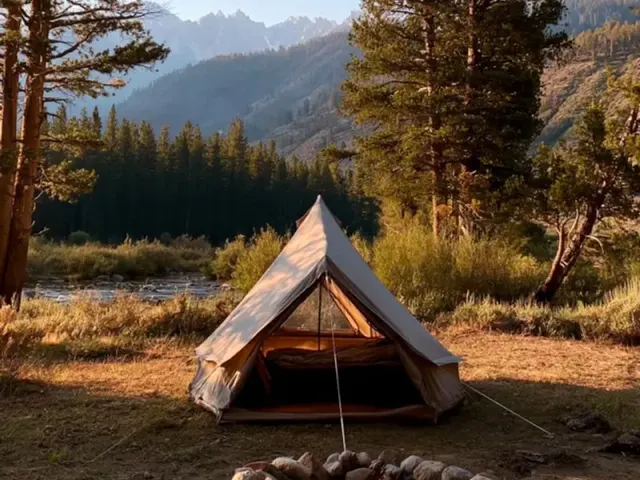
Camping List Packing Checklist Tent: My Tried Method
The first thing I notice when I unzip my tent after a long hike is the smell of nylon and pine. But if I've packed poorly, that smell is mixed with the musty damp of a wet sleeping bag or the gritty feel of sand in my sleeping pad valve. Over years of refining my process, I've settled on a method that turns packing from a frantic guessing game into a calm, repeatable routine. This isn't just a list—it's a system built around one core trick: packing by zone and by function, not by category.

The One Trick That Changes Everything: The Zone Method
Most people pack a tent into its original stuff sack: poles, body, fly, stakes all crammed together. Then they shove that bag into their backpack or car trunk with everything else. When they arrive, they dig through everything to find the poles, then the stakes, then the footprint. It wastes time and energy. My method is simple: divide your gear into three zones: Setup, Sleep, and Live. Each zone gets its own dedicated dry bag or stuff sack, clearly labeled with a small piece of duct tape and a marker. The Setup zone holds everything you need to pitch the tent: the tent body, fly, poles, stakes, footprint, and a small repair kit (a piece of fabric repair tape and a spare pole sleeve). The Sleep zone holds your sleeping bag, sleeping pad, pillow, and a headlamp. The Live zone holds your camp clothes, toiletries, and a small towel. When you arrive, you grab the Setup zone bag and nothing else. You don't need to open your sleeping bag until the tent is fully up. This one change saved me at least twenty minutes of fumbling on every trip.
Zone 1: The Setup Zone – Every Piece Counts
Inside your Setup zone dry bag, I pack in a specific order. At the bottom goes the footprint, folded neatly. Then the tent body, rolled tight. Next, the poles in their own sleeve. On top goes the fly, and in a small mesh pocket or ziplock bag, I keep all the stakes. But here's the detail that matters: I separate the stakes by color or type. Use a sharpie to mark the top of each stake—a dot for the corner stakes (usually longer or stronger), a line for the side stakes, and an X for the guy-line stakes. When you're setting up in fading light or rain, you can instantly grab the right stake for the right corner. I also include a small piece of cordage (about 6 feet of paracord) in case I need to extend a guy line for a windy night. And always, always include a repair kit: a 3-inch square of Tenacious Tape and a 6-inch piece of aluminum pole sleeve. A broken pole tip or a small tear in the fly can ruin a trip, but a quick patch keeps you dry.
Zone 2: The Sleep Zone – Warmth and Dryness
The Sleep zone is where most people make a critical mistake: they pack their sleeping bag loose in a compression sack, then throw it in the car. Over time, that compression sack loses its waterproofing, and if you get caught in a sudden rain while loading, your bag gets damp. I use a dedicated waterproof dry bag (not the stuff sack) for my sleeping bag. Inside that, I also put my sleeping pad—but only after I've inflated it slightly to check for leaks. I always pack a repair kit for the pad: a small tube of seam sealer and a patch of the same material as the pad. A headlamp goes in a side pocket of the dry bag, with fresh batteries. Before I zip my tent for the night, I lay out my sleeping pad, inflate it fully, and then place my sleeping bag on top. I always store my pillow (a small inflatable one) inside the sleeping bag so it stays dry and warm.
Zone 3: The Live Zone – Smart Layers and Safety
The Live zone is for everything you need while you're awake but not in your tent. This includes a change of base layers, a warm mid-layer (fleece or wool), a rain jacket, and a pair of camp shoes (lightweight sandals or camp booties). I also keep a small first-aid kit, a multi-tool, and a fire-starting kit (a BIC lighter and a few fire starters in a waterproof case) in this bag. Never store food or scented items in this zone. That goes in a bear canister or a hang bag, stored well away from your tent—at least 200 feet downwind. I've seen too many people keep a granola bar in their tent pocket and wake up to a raccoon scratching at the zipper. Keep your Live zone bag in the tent's vestibule, not inside the sleeping area, to keep the interior dry and clean.
Packing for Weather: Adapt the Zones
If rain is forecast, I add a small, lightweight tarp (8x10 feet) to my Setup zone. I pitch it over my tent's vestibule to create a dry entry area. In wind, I swap my standard stakes for heavier-duty ones (like 8-inch aluminum skewers) and add a few extra guy lines. For cold weather, I put my sleeping bag in a vapor barrier liner (a thin, waterproof bag) inside my dry bag—this keeps moisture from my body from soaking the insulation. For hot weather, I swap the sleeping bag for a fleece liner and a lightweight blanket, and I pack a small fan (battery-operated) in the Live zone. The zone system adapts easily: just swap out the contents of each zone based on the forecast.
The Final Check: Before You Leave Home
I run through a quick mental checklist before I walk out the door. I unzip each zone bag and visually confirm the key items: tent body, poles, stakes, footprint, sleeping bag, pad, headlamp, first-aid kit, and fire starter. I also check that my stove is clean and functional (I test it with a small amount of fuel at home, never at camp). I fill my water bottles and hydration bladder. And I always, always pack a spare set of stakes and a small repair kit. That's it. No anxiety, no last-minute panic. Just a smooth, quiet packing process that lets me focus on the real reason I'm going: the sound of rain on the fly and the smell of pine.
Takeaway: The zone method—Setup, Sleep, Live—saves time, reduces stress, and keeps your gear organized. Pack each zone in a dedicated dry bag, separate your stakes by color, and always test your stove and pad before you leave. Your future self, standing in the dark with a headlamp, will thank you.
Frequently Asked Questions
What is the most important item on a tent camping checklist?
A properly fitting tent footprint or ground cloth. It protects your tent floor from moisture and sharp rocks, extending its life and keeping you dry. Always stake it slightly smaller than your tent so water doesn't pool underneath.
How do I pack my tent so setup is faster?
Use the zone method. Keep tent body, poles, stakes, and footprint together in a dedicated dry bag (not the stuff sack). Label each stake type with a colored marker. When you arrive, you can grab and go without digging through your entire pack.
Should I pack my sleeping bag at the bottom or top of my bag?
At the bottom, inside a compression sack, but only if you keep it dry. Use a waterproof liner or dry bag for the sleeping bag itself. This protects your most critical warmth layer from ground moisture and accidental rain.
What are the biggest mistakes people make when packing for tent camping?
Overpacking clothes, forgetting a repair kit for tent poles and pads, and not testing their stove before leaving. Also, many people fail to secure food in a bear canister or hang it properly, which can attract animals to your tent.