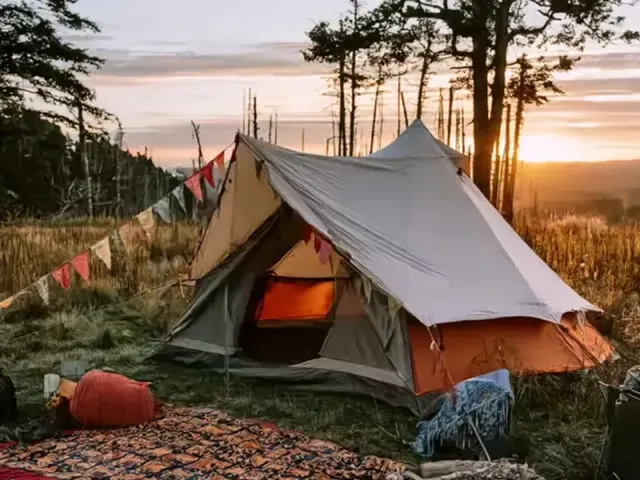
Camping Clothes Organization Ideas for Your Tent
There’s a satisfying rhythm to unzipping your tent after a long day of hiking, shrugging off a damp jacket, and reaching for a dry, warm shirt without having to dig through a tangled mess of socks and fleece. The secret isn’t a bigger tent — it’s smarter organization. After years of refining my system, I’ve found that a few simple techniques keep clothes accessible, dry, and clean, no matter the weather.

Start with the Right Containers
The foundation of any good tent clothing system is what you pack them in. Skip the wad-and-stuff method. Instead, use packing cubes or dry bags in different colors. I designate one cube for tops, one for bottoms, and a smaller one for underwear and socks. The colors make it easy to grab what I need without unrolling everything. For wet climates, choose waterproof dry bags — they double as laundry sacks for damp items.
The Compartment Trick
Here’s a specific tip I haven’t seen elsewhere: inside each packing cube, use a folded piece of cardboard (cut from a cereal box) as a divider. Place it vertically in the center of the cube. On one side, store clean clothes; on the other, stash worn-but-not-dirty items (like a fleece you wore for an hour). This prevents clean clothes from picking up odors and keeps your system tidy for days.
Go Vertical Inside the Tent
Floor space is precious. Use the tent’s vertical real estate. A mesh gear loft that clips to the tent’s pole clips is perfect for lightweight items like base layers and hats. For heavier clothes, hang an over-the-door shoe organizer (the fabric kind with clear pockets) from a loop or a tent pole. Each pocket holds a rolled shirt, a pair of socks, or a headlamp. This keeps everything off the floor and visible at a glance.
Common mistake: hanging wet clothes inside the tent without a drip tray. Wet gear drips onto your sleeping bag and pad. Instead, hang damp clothes in the vestibule or on a line stretched between trees (away from the tent). If you must bring them inside, place a small towel or a dry bag underneath to catch drips.
Separate Sleepwear from Daywear
This is a game-changer for comfort and cleanliness. Keep your sleep clothes in a dedicated stuff sack — a bright color so you can find it in the dark. Change into them just before bed. This keeps your sleeping bag free from daytime sweat, dirt, and pollen. In the morning, reverse the process: sleepwear goes back in the sack, day clothes come out. Your bag stays fresher, and you sleep warmer.
The 'First-Night Bag' for Families
Camping with kids? Make a first-night bag for each child. It’s a small dry bag containing pajamas, a change of clothes, and a toothbrush. When you arrive late, you don’t need to unpack everything. Hand each child their bag, and they can change right in the tent. The next morning, you can organize the rest at a relaxed pace.
Rain Gear: The Dedicated Zone
Wet rain gear inside the tent creates condensation and dampness. Designate a specific spot for it — preferably the tent’s vestibule. If your tent doesn’t have one, use a small, separate dry bag that stays near the door. When you come in from the rain, shake off excess water outside, then place the jacket and pants in the bag. Zip it shut. This keeps moisture contained and your other clothes dry.
Safety note: Never store wet gear directly against the tent wall — it can wick moisture through the fabric. And never use a camp stove or lantern to dry clothes inside the tent; carbon monoxide poisoning is a real risk. Air-dry outside or use a dedicated drying line away from the tent.
Pack for the Weather, Not the Trip
Instead of packing for every possible temperature, pack for the weather forecast and one backup. For cold nights, bring a lightweight down or synthetic puffy jacket that compresses small. For rain, a packable waterproof shell. Roll each item tightly — this saves space and reduces wrinkles. I use the military roll technique: fold the item in half, roll from the bottom, and tuck the collar or waistband over the roll. It stays compact and doesn’t unroll in the pack.
Layer System in a Cube
For multi-day trips, I use a single packing cube for my layering system: base layer (merino wool or synthetic), mid layer (fleece), and outer shell. All three fit in one cube. In the morning, I pull out the cube, grab what I need, and go. No sorting through multiple bags.
A Word on Dirty Laundry
Dirty clothes attract odors and, worse, wildlife. Use a sealed dry bag for soiled items. I keep a small one (about 8 liters) at the bottom of my duffel. Each evening, I toss worn socks and shirts into it. The bag keeps smells contained and separates dirty from clean. At home, I wash the bag with the clothes — easy.
Wildlife safety reminder: Store all scented items — including dirty clothes with food smells — in a bear-proof container or your vehicle, not inside the tent. Even a sweaty shirt can attract curious animals.
The Takeaway
Organizing camping clothes in a tent doesn’t require fancy gear. A few packing cubes, a mesh loft, and a dedicated spot for wet and dirty items transform your tent from a jumble into a calm, efficient space. The payoff? More time enjoying the campfire and less time wrestling with your duffel. Try one of these ideas on your next trip — I think you’ll feel the difference the first time you reach for a dry sock in the dark.
Frequently Asked Questions
How do I keep my clothes dry in a tent?
Use waterproof compression sacks or dry bags for each clothing category. Store them off the tent floor on a gear loft or in a hanging organizer. In wet weather, keep a separate bag for damp clothes and hang them from the tent's ridge line to dry.
What is the best way to organize clothes for multi-day camping?
Use packing cubes labeled by day or activity (e.g., hiking, sleeping, camp chores). Roll clothes to save space and reduce wrinkles. Store the next day's outfit on top for quick access without rummaging.
How can I organize clothes when camping with kids?
Give each child a small, labeled dry bag or packing cube. Use a hanging shoe organizer for small items like socks and gloves. Make a 'first-night bag' with pajamas and a change of clothes so you don't need to unpack everything late.
Should I keep my sleeping clothes separate from daytime clothes?
Yes, it helps keep your sleeping bag cleaner and your sleep clothes dry. Use a dedicated stuff sack or the bottom of your packing cube for sleepwear. Change into them just before bed to avoid bringing dirt into your sleeping bag.
How do I organize clothes in a small tent?
Maximize vertical space. Use a mesh gear loft or a hanging organizer that clips to the tent's pole clips. Keep only essentials inside the tent; store the rest in your car or a bear-proof locker if available. Use the tent's vestibule for rain gear and boots.