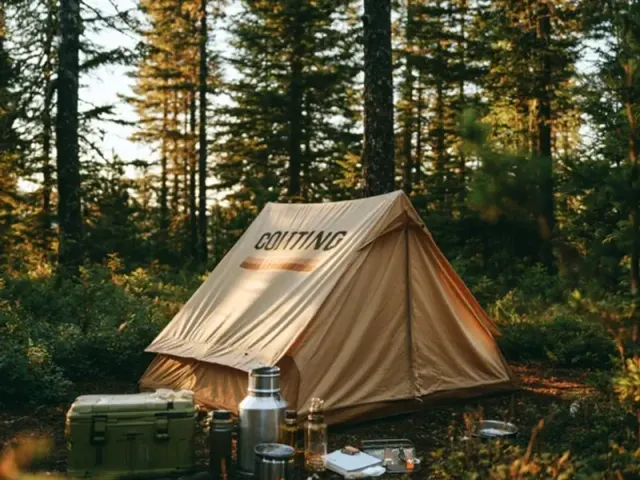
Basic Tent Camping Checklist: What You Actually Need
The first time I unrolled a tent in gusting wind, I learned a lesson no checklist had taught me: stake the corners first, then the sides. The wind caught the fly like a sail, and I spent ten minutes chasing it across the clearing. That’s the kind of detail a basic tent camping checklist should include — not just what to bring, but how to use it so your trip doesn’t unravel.

This list is built from that experience. It’s the gear I reach for every time, the setup sequence that keeps the tent dry, and the one trick most people skip. No fluff. Just what works.
Shelter: Your Tent and Its Setup
A tent is your home for the night. But a tent is only as good as its setup. Here’s what goes in the bag and how to pitch it right.
Tent, Rainfly, and Ground Tarp
Bring a tent rated for your group size plus one person. A three-person tent fits two adults and gear. Four-person tents work for a family of three with a dog. Always pack the rainfly, even if the forecast is clear. Mountain weather changes fast. A ground tarp or footprint protects the tent floor. Cut it a few inches smaller than the tent footprint — if it sticks out, rain pools under the tent and soaks the floor.
Stakes and Guy Lines
Most tents come with cheap stakes. Replace them. I use 6-inch aluminum Y-stakes for soft soil and 8-inch steel shepherd’s hooks for hard-packed ground. Bring at least eight stakes for the tent body and four for the rainfly. Guy lines (the thin cords that pull the fly taut) are critical in wind. Tie them at a 45-degree angle from the tent and stake them tight. In heavy rain, this gap between fly and tent prevents condensation from dripping inside.
Sleeping System
Your sleeping bag should be rated 10–15°F lower than the coldest night you expect. A 30°F bag works for summer, but a 20°F bag gives you margin. Pair it with a sleeping pad. The pad’s R-value measures insulation: R-value 1–2 for summer, 3–4 for three-season, 5+ for winter. I use a closed-cell foam pad under an inflatable pad for warmth and puncture protection. Never use a camp heater or stove inside the tent — carbon monoxide is invisible and deadly.
Cooking and Food Storage
Eating well keeps morale high. But cooking at a campsite has rules.
Stove and Fuel
A two-burner propane stove is standard for car camping. Bring one canister per two days of cooking. A small backup stove (like a butane canister stove) saves you if the main stove fails. Always cook outside the tent, at least ten feet away. Use a windscreen if it’s breezy — a piece of aluminum foil folded into a shield works. Light the stove before you attach the pot. That’s the trick: flame first, then pot. It prevents flare-ups.
Cooler and Food Safety
Pack a cooler with ice blocks (they last longer than cubes). Store raw meat in a sealed container at the bottom. Keep drinks in a separate cooler if you can. At night, store all food, trash, and scented items (toothpaste, sunscreen) in a bear canister or locked vehicle. Raccoons and bears learn fast. Hang food only if local regulations require it — and only if you know the proper bear-bag hang technique.
Clothing and Personal Items
Layers are everything. Cotton kills — it stays wet and cold. Instead, pack a moisture-wicking base layer (polyester or merino wool), an insulating mid-layer (fleece or puffy jacket), and a waterproof shell. Bring a hat and gloves even in summer. At night, temperatures drop. I always pack a pair of camp shoes — flip-flops or Crocs — to let my boots air out. A headlamp is non-negotiable. One per person, plus extra batteries. It frees your hands for cooking, reading, or late-night bathroom trips.
Tools and Safety Gear
These items don’t get used often, but when you need them, you need them.
- First aid kit: Include blister treatment, antiseptic wipes, tweezers, and ibuprofen. Add a tick removal tool if you’re in wooded areas.
- Multi-tool or knife: For cutting rope, opening packages, or repairing gear.
- Fire starter: A BIC lighter plus a ferro rod as backup. Store in a waterproof container.
- Lantern: LED lanterns are safe and bright. A dimmable one lets you adjust for ambiance. Never use a fuel lantern inside the tent.
- Duct tape: Wrap a few feet around a water bottle. It patches tent tears, fixes straps, and seals blisters.
One Trick That Changes Everything
Here’s the trick most checklists miss: pack your gear in labeled bins. Use one bin for kitchen, one for shelter, one for clothes. Stack them in the car in reverse order of use. When you arrive, you pull the shelter bin first, set up the tent, then grab the kitchen bin. No digging. No frustration. At the end of the trip, you pack the same way. It takes ten minutes longer to set up, but saves an hour of searching.
Weather and Terrain Adaptations
Check the local forecast and terrain before you go. For rain, pitch on a slight slope so water runs away. Dig a small trench around the tent if the site is flat (but only where allowed). For wind, orient the tent door away from the prevailing wind. Stake every loop, even if you think it’s calm. For cold weather, sleep with a Nalgene bottle of hot water wrapped in a sock at your feet. For heat, pitch the tent in shade and leave the rainfly off if no rain is expected. A battery-powered fan clipped to the tent ceiling moves air.
Camping with kids? Add a glow stick to each kid’s tent pocket. It’s a low-light marker that helps them find their way back from the bathroom. Pack a small flashlight for each child — it gives them independence and keeps them from wandering too far.
Takeaway
A basic tent camping checklist is more than a list of items. It’s a plan for comfort and safety. Start with the tent, the sleeping system, and the stove. Add layers and tools. Then use that one trick: labeled bins. On your next trip, you’ll spend less time hunting for gear and more time listening to the wind in the pines. That’s the real goal.
Frequently Asked Questions
What is the most important item on a basic tent camping checklist?
A reliable tent that suits your group size and expected weather. Make sure it has a rainfly and is seam-sealed. Second is a sleeping bag rated for the lowest nighttime temperature you expect.
How do I keep my tent dry in rain?
Pitch your tent on high ground. Use a footprint or ground tuck tucked under the tent floor. Stake the rainfly taut with a gap between it and the tent body for airflow. Avoid touching the tent walls at night.
What should I pack for cooking while tent camping?
A camp stove with fuel canisters, a lighter or matches in a waterproof case, a pot with a lid, a spatula, a bowl and utensil set per person, and a cooler with ice packs. Store food in a bear canister or locked car at night.
How do I handle cold weather tent camping?
Use a sleeping pad with an R-value of at least 4.5. Layer clothing: a moisture-wicking base, insulating mid-layer, and windproof outer. Eat a warm meal before bed. Never use a camp stove or propane heater inside the tent due to carbon monoxide risk.