
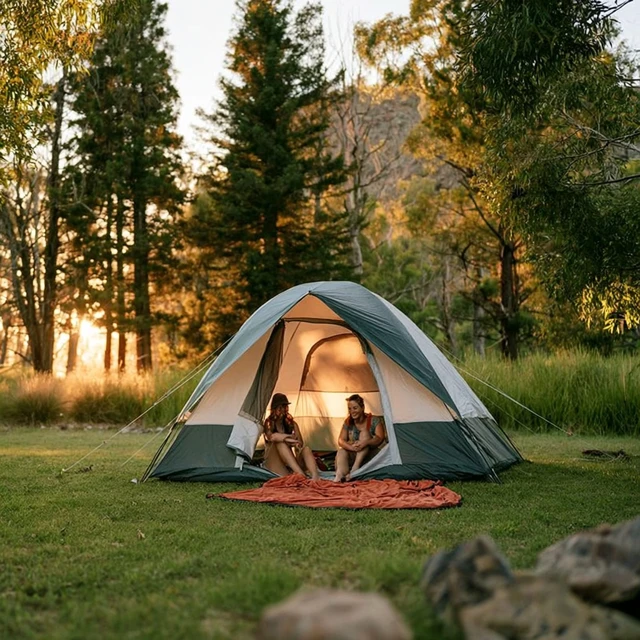
The first sound you hear after the car doors slam shut is the zipper of the tent bag. That sound—sharp and plastic—means it’s time. Before you pull out that bundle of poles and fabric, take a breath. Family tent camping works best when you have the right gear and a clear method. I’ve learned this the hard way, standing in a drizzle while three kids ask for snacks and the tent is still a heap on the ground. Here’s what actually helps.

Choosing the Right Tent for Your Family
Size matters more than you think. A 4-person tent sleeps two adults and a small child comfortably, but add another kid or gear, and you’ll feel every inch of lost space. For a family of four, look for a tent rated for six people. That extra room lets you store bags, change clothes without elbowing each other, and keep a lantern away from little hands. The common mistake is buying too small. I’ve seen families squeeze into a 4-person tent with two kids and a dog, and the result is a restless night. Go one size up.
When it comes to setup, practice at home. Pitch the tent in your backyard or living room once before you leave. This isn’t about perfection—it’s about knowing which pole goes where when the wind picks up. Lay out the footprint first, then the tent body. Stake the four corners before you insert any poles. That keeps the tent from sliding around while you work. Insert the poles through the sleeves or clips, then raise the structure. Finally, stake the remaining loops and attach the rainfly. If rain is possible, tighten the fly so it doesn’t flap against the mesh—flapping lets water in.
Sleeping Gear That Keeps Everyone Comfortable
Cold ground steals heat fast. For kids, a sleeping pad with an R-value of at least 4 is non-negotiable. Foam pads are cheap, but they don’t insulate as well as inflatable pads. If you’re on a budget, layer a closed-cell foam pad under an inflatable one. That combo works even on chilly nights. Sleeping bags should be rated 10 to 15 degrees Fahrenheit lower than the expected low temperature. A 20-degree bag is fine for most summer nights, but if you’re in the mountains or near water, go for a 0-degree bag for younger children.
One trick: pack a fleece blanket for each person. It adds warmth without weight, and kids can wrap up in it while reading or playing cards. Avoid cotton blankets—they soak up moisture and stay damp. Synthetic or wool is better. For toddlers, a wearable sleeping bag (like a sleep sack) prevents them from kicking off covers. And always bring a small stuff sack for dirty clothes. It keeps the tent smelling fresh and makes morning packing faster.
Lighting and Navigation at Night
Headlamps are essential for every family member over age three. Clip a small lantern to the tent ceiling for ambient light—the kind with a dimmable setting is best. Red light mode preserves night vision and doesn’t attract bugs as much. For the campsite, a string of battery-powered fairy lights around the tent guylines helps you see where you’re walking without blinding anyone. Avoid open-flame lanterns inside the tent. Carbon monoxide from fuel-burning devices is a real risk in enclosed spaces. Stick to LED.
Kitchen and Food Storage
A two-burner camp stove is enough for most families. Bring a kettle for hot water—instant oatmeal, cocoa, and coffee all come from that one pot. Meal prep at home: pre-chop vegetables, portion out spices in small bags, and freeze meat to keep it cold longer. For food storage, use a bear-proof cooler or a hard-sided container. Never store food, toothpaste, or scented items inside the tent. Raccoons and bears have excellent noses. Place the cooler at least 100 feet from your sleeping area, ideally under a tarp tied to a tree. If the campsite has a food locker, use it.
Staying Safe in Wind and Rain
Wind is the most underestimated hazard. A gust can collapse a poorly staked tent or send a chair flying into the lake. Always stake every corner and use all guylines. For extra security, tie the guylines to large rocks or logs if the ground is too hard for stakes. In heavy rain, dig a small trench around the tent to divert water—but check local regulations first, as some areas prohibit digging. A tarp strung between two trees over the cooking area gives you a dry spot to eat. Keep the tent zipped at all times to keep out bugs and moisture.
Packing for Kids: The Essentials List
For each child, pack a small backpack with their own water bottle, a headlamp, a whistle, and a comfort item like a stuffed animal or book. This gives them a sense of ownership and keeps them occupied. Bring extra socks—two pairs per day per person. Wet feet ruin a trip fast. A change of clothes in a dry bag inside the tent ensures everyone has something dry to sleep in. For babies, a portable changing pad and a wet bag for diapers are worth the space. And always bring a first-aid kit with tweezers for ticks, antihistamine for allergic reactions, and moleskin for blisters.
One Trick That Changes Everything
Here’s the tip you won’t find on most lists: pack a small, lightweight rug for the tent floor. A cheap doormat or a cut piece of indoor-outdoor carpet keeps dirt and pine needles from spreading into sleeping areas. It also gives you a dry place to stand while you change clothes. Lay it at the entrance and shake it out each morning. That simple step cuts cleaning time in half and keeps the tent interior more comfortable.
Takeaway
Family tent camping is about preparation, not perfection. Choose a tent one size larger than you think you need, practice setup at home, and pack for real conditions—rain, wind, cold, and hungry kids. The right gear and a few smart methods turn a stressful trip into a smooth one. Now go zip that tent bag open and get started.
Frequently Asked Questions
What size tent do I need for a family of four?
For a family of four, look for a tent rated for at least 6 people. That gives you room for sleeping pads, gear storage, and a little space to move. If you have kids under 5, consider an 8-person tent so you can fit a pack-and-play or extra cot.
How do I keep kids warm at night while tent camping?
Layer their bedding: a thick sleeping pad (R-value of 4 or higher), a fleece liner inside their sleeping bag, and a top blanket. Dress them in wool or synthetic base layers, not cotton. A hot water bottle in a sock at the foot of the bag works wonders.
What’s the best way to store food in a tent campsite?
Never store food inside the tent. Use a bear-proof cooler or a hard-sided container, and place it at least 100 feet from your sleeping area. Hang food bags from a tree branch if you’re in bear country, or use a vehicle if allowed.
How do I set up a tent in windy conditions?
Pitch the tent with the narrow end facing the wind. Stake all corners first, then add guylines to every loop. Use extra stakes at a 45-degree angle away from the tent. Lower the tent profile if possible by not using the rainfly vents fully.
What should I pack for a family tent camping first-aid kit?
Pack adhesive bandages in multiple sizes, antiseptic wipes, tweezers, a tick removal tool, children’s pain reliever, antihistamine for allergic reactions, moleskin for blisters, and a small roll of medical tape. Add a pair of nitrile gloves.