
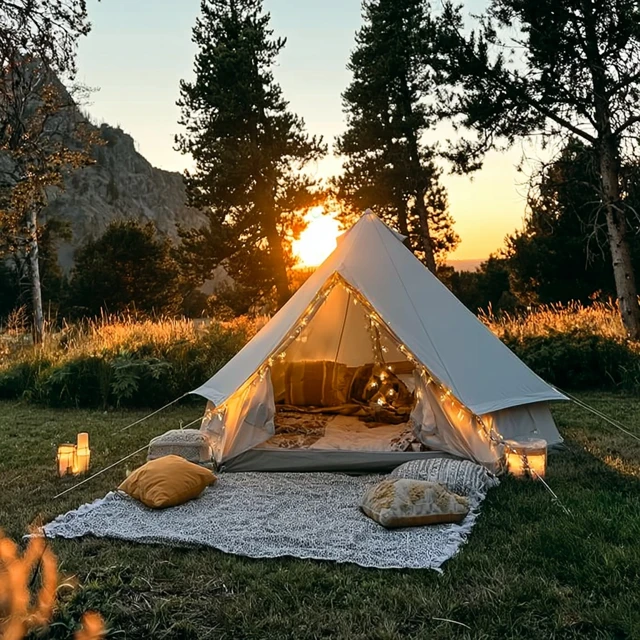
The first time I zipped myself into a tent that felt like a tiny sanctuary, I understood the appeal. It wasn’t just about sleeping outside—it was about creating a space that felt intentional. A tent camping aesthetic isn’t about buying a bunch of decor. It’s about using what you have to make your tent feel like a place you want to be, even when the weather turns. Here’s how to achieve that balance of beauty and function.

Start with Lighting That Sets the Mood
Lighting is the quickest way to transform a tent from a nylon cave into a warm retreat. I use a mix of two types: a dimmable LED lantern for ambient light and a string of battery-operated fairy lights for soft glow. The trick is placement. Hang the string lights along the tent’s ridgepole (the highest point inside) using small carabiners or adhesive hooks designed for tents. This keeps them off the floor and out of reach of kids or pets. For the lantern, set it on a low table or a stuff sack—never directly on the tent floor, where it can shift and tip. Avoid anything with a bare bulb or high heat output. Stick to cool-to-the-touch LEDs. If you’re camping in windy conditions, secure the lantern with a small loop of paracord tied to a tent pole. One common mistake: using a bright white light. It feels harsh and attracts bugs. Warm white (2700K-3000K) mimics firelight and feels cozy.
Layer Your Floor and Sleep System
A bare tent floor feels cold and echoes every footstep. I add a simple, washable cotton rug or a foam play mat (the interlocking kind) right inside the door. This defines the entry zone and catches dirt. For the sleep area, I use a two-layer approach: a closed-cell foam pad underneath and an inflatable pad on top. The foam pad adds insulation and protects the inflatable from punctures. On top of that, I layer a fleece blanket or a sleeping bag liner before the actual sleeping bag. This adds warmth and a soft texture. If you’re camping in rain, put a small absorbent mat just inside the door to catch drips from boots. For hot weather, swap the fleece for a cotton sheet—it breathes better and feels cleaner. The key is to make your bed feel like a bed, not a survival pod. I always test the setup at home first. Lie down, shift around, and see if anything bunches or slides. Adjust before you’re tired and in the dark.
Organize Gear Into Zones
A cluttered tent kills the aesthetic faster than anything. I divide the tent into three zones: sleep, storage, and entry. The sleep zone is the back half—only sleeping bags, pillows, and a small caddy for nighttime essentials (headlamp, lip balm, earplugs). The storage zone is along one side wall, using hanging pockets or a lightweight mesh organizer that clips to the tent’s interior loops. Here I keep clothes, toiletries, and electronics in separate dry bags. The entry zone is just inside the door—a small mat, a bin for shoes, and a hook for a jacket. For families, label each child’s storage pocket with a piece of masking tape. This cuts down on lost items. The common mistake: putting gear inside the tent that you won’t use until morning. Store cooking gear, food, and extra water outside in a bear canister or a dry bag under the vestibule. This keeps the tent clean and safe from wildlife.
Add Personal Touches That Pull Double Duty
I bring one or two items that serve both function and mood. A bandana can be a napkin, a pot holder, or a tiny wall hanging. A lightweight wool blanket works as extra warmth or a lap cover for reading. A small, collapsible cup holds tea or flowers—yes, I sometimes pick a pine sprig and put it in the cup. It sounds fussy, but it costs nothing and makes the space feel lived-in. For kids, let them choose one small toy or book to keep in their sleep zone. The rule: if it doesn’t fit in a quart-size dry bag, it stays home. This prevents clutter and teaches them to prioritize. For cold weather, I add a hot water bottle inside the sleeping bag 15 minutes before bed. It’s a small luxury that makes a huge difference. For hot weather, I freeze a water bottle and use it as a cold pack during the day, then drink it as it melts. Every item should earn its place.
Adapt for Weather Without Sacrificing Style
Rain doesn’t have to ruin the vibe. I keep a small, dry microfiber towel clipped to the tent’s interior to wipe condensation from the walls. I also set up a small tarp over the tent’s vestibule to create a dry entry. Inside, I use a battery-operated fan (clip-on style) to reduce humidity and keep air moving. For wind, I stake the tent with extra guylines at a 45-degree angle from each corner, and I add a small windbreak made from a folded tarp on the windward side. This keeps the tent from flapping and rattling. For heat, I open all mesh windows and use a reflective emergency blanket over the rainfly to deflect sunlight. The aesthetic adapts: in rain, focus on dry, clean layers; in heat, go for airy, minimal textures. The goal is comfort, not perfection.
Safety Notes for a Cozy Tent
Never use a camp stove, heater, or candle inside a tent—carbon monoxide is invisible and deadly. Keep all lights and electronics away from sleeping bags and synthetic fabrics. Store food and scented items in a bear canister or hang them per local regulations, at least 200 feet from your tent. Check your tent’s guylines and stakes before bed, especially if wind is forecast. A well-pitched tent is a safe tent.
Takeaway: A tent camping aesthetic isn’t about buying the right gear. It’s about arranging what you have with intention. Light it warm, layer it soft, organize it clean, and adapt for the weather. When your tent feels like a place you want to be, you’ll sleep better, wake refreshed, and remember the trip for the right reasons.
Frequently Asked Questions
What makes a tent camping aesthetic look good?
A tent camping aesthetic comes from intentional lighting, layered textiles, and organized gear. Use warm string lights or a dimmable lantern, add a rug or extra blankets, and keep your tent tidy with storage bins or hanging pockets. The goal is comfort, not clutter.
How do I make my tent feel cozy at night?
Start with soft, warm lighting—battery-operated string lights or a lantern with a low setting. Lay down a foam mat or rug for texture and warmth. Use a sleeping bag liner for extra softness, and hang a small fabric pocket near your head for essentials like a headlamp or book.
Can I have a tent camping aesthetic with kids?
Absolutely. Focus on safety and simplicity. Use glow sticks or LED candles instead of open flames. Let each child have a small personal light (like a clip-on book light) to create a cozy reading nook. Keep pathways clear of gear to prevent tripping.