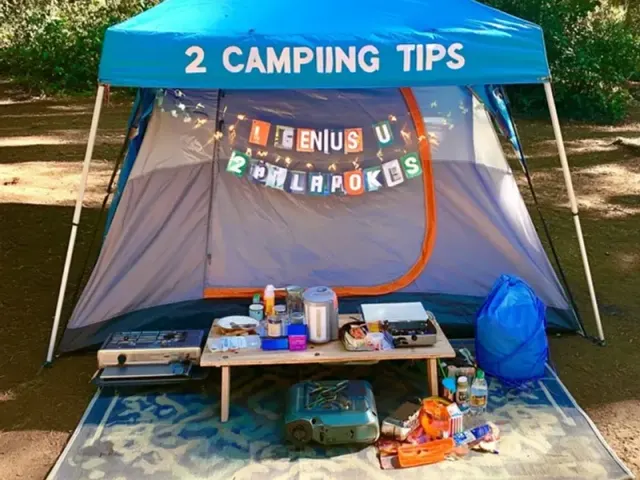
10 Tent Camping Hacks Campsite Setup & Comfort
There's a distinct sound to a well-pitched tent in a steady breeze — that taut, clean snap of the fly, not the flapping chaos of a loose one. After years of refining my campsite routine, I've learned that the difference between a good trip and a great one often comes down to small, intentional adjustments. These aren't the obvious tips you'll find on every list. These are the techniques I've tested in rain, wind, and on hard-packed ground, designed to save you time, frustration, and a damp night's sleep.

Stake Like You Mean It
Most people drive stakes straight down. That's a mistake. Always insert your stake at a 45-degree angle, leaning away from the tent. The stake's shaft then acts as a hook against the ground. For hard or rocky soil, use a rubber mallet and consider nail-style stakes that punch through debris. On sandy soil, bring wide, flat sand stakes or bury a deadman (a stick tied to the guyline) horizontally in a shallow trench. I always stake the corners first, then the guylines for the fly, and finally the vestibule. This sequence prevents slack and keeps the tent drum-tight.
Create a Dry Entry Zone
Rainy mornings are miserable when you have to pack a wet tent. Before you set up, lay down a small tarp or heavy-duty trash bag right inside the tent's door. This is your dry zone for muddy boots, wet rain jackets, and damp gear. Keep a dedicated microfiber towel in a mesh pocket near the door for wiping down condensation each morning. I also hang a small carabiner from the tent loop near the zipper for my headlamp — always within reach, never lost in the dark.
Sleep on a Better Foundation
An inflatable pad alone isn't enough for cold ground. Layer a closed-cell foam pad underneath your air pad. This adds insulation (higher R-value) and protects against punctures. For side sleepers, place a folded fleece jacket under your hips for pressure relief. I also stuff an empty stuff sack with my extra clothes to use as a pillow — it keeps my gear organized and gives me a custom loft. Before inflating, unroll your pad and let it expand for a few minutes in the tent to reduce crinkling noise.
Ventilation Is a Non-Negotiable Hack
Condensation is the enemy of comfort. Even in cold weather, crack the top vents and leave the fly doors slightly open on opposite sides if rain permits. This creates cross-breeze that carries moisture out. Avoid pitching in a hollow or valley where cold air settles and holds dampness. If you wake with a wet inner tent, you didn't vent enough. Wipe it down before packing to prevent mildew.
Organize Your Camp Kitchen with Purpose
A messy campsite is a stressful campsite. Use a clear plastic bin with a lid for your stove, fuel, and utensils. Pack a small cutting board that doubles as a serving tray. Store food in a bear-resistant canister or hang it at least 100 feet from your tent — this is non-negotiable for safety and wildlife respect. For quick meals, pre-cook and freeze chili or stew at home; it thaws in your cooler and heats in one pot. Always cook downwind of your tent to avoid lingering smells that attract animals.
The One Trick for Windy Nights
Wind can turn a serene camp into a sleepless ordeal. Before you go to bed, fill a few empty stuff sacks with rocks or dirt and tie them to the lower guylines inside the tent. This adds low weight that dampens vibration and keeps the tent from shaking. Also, orient your tent so the narrowest end faces the prevailing wind. If you can't reposition, pile your cooler or heavy gear bags on the windward side for extra ballast.
Takeaway
These hacks aren't about buying more gear. They're about using what you have with more intention. A dry entry zone, proper staking, layered sleep systems, and smart ventilation will transform your campsite from a place you just sleep into a comfortable basecamp. Try one on your next trip. You'll feel the difference.
Frequently Asked Questions
How do I keep my tent floor dry in rain?
Use a footprint slightly smaller than your tent floor, then add a cheap closed-cell foam mat inside. This prevents water from wicking up through the floor and adds insulation. Also, avoid pitching in low spots where water pools.
What's the best way to organize gear inside a tent?
Use mesh pockets or hanging organizers on tent loops. Store small items like headlamps and keys in a clear shoe organizer hung from a loop. For dirty shoes, use a small plastic bin just inside the vestibule. Keep sleeping bags loose for better loft.
How can I stay warm while tent camping without adding weight?
Use a sleeping pad with an R-value of at least 4 for cold weather. Add a closed-cell foam pad underneath for extra insulation. Wear a dry wool hat and socks to bed, and fill a Nalgene bottle with hot water to warm your sleeping bag. Vent the tent slightly to reduce condensation.
What's a simple hack for leveling a tent on uneven ground?
Dig a shallow trench on the high side of the tent footprint to lower it, and mound soil on the low side. Pack it down firmly. This works best on soft ground. Avoid digging near tree roots or in sensitive areas. Always check local regulations before altering ground.
How do I prevent condensation inside my tent?
Pitch your tent with the fly taut and off the inner tent. Leave the vents open, even in rain. Choose a campsite with good airflow, not at the bottom of a valley. Wipe down the inner walls with a microfiber cloth each morning before packing.